Alongside the NHS, the history of London Transport after the Second World War mirrors the changing cultural and ethnic face, and character, of our country.
🕒 Estimated read time: 3 minutes
Black History Month this year is about “Honouring Our Communities”; and the pioneers who helped build London’s famous transport network is one of our obvious but also underrated communities.
This, the first of two articles, looks at what began as a response to a chronic shortage of labour needed to operate buses, Underground trains, workshops and catering services but became one of the most important chapters in the development of London’s multicultural workforce.
In the late 1940s and early 1950s, despite recruitment campaigns which extended to northern England, Scotland and Ireland, thousands of vacancies remained in London’s transport network, particularly in lower-paid operational jobs involving unsocial hours and demanding shift patterns.
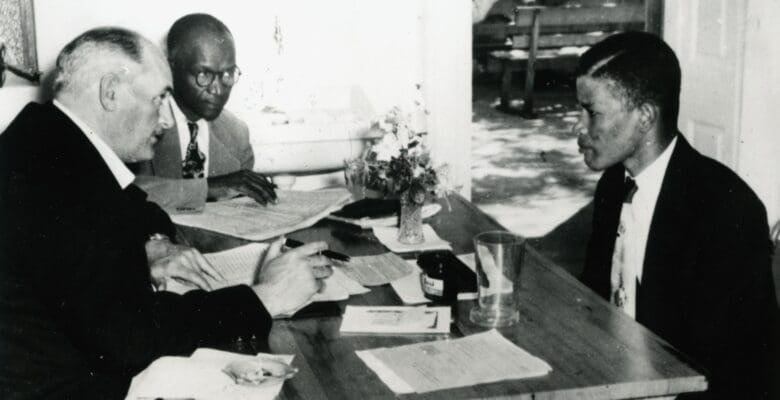
In 1956, following an approach from the Barbadian government, London Transport established a formal recruitment operation in Barbados. A recruitment office was opened in Bridgetown under recruitment officer Charles Gomm, pictured below in 1956, with vacancies advertised through newspapers, posters and radio.
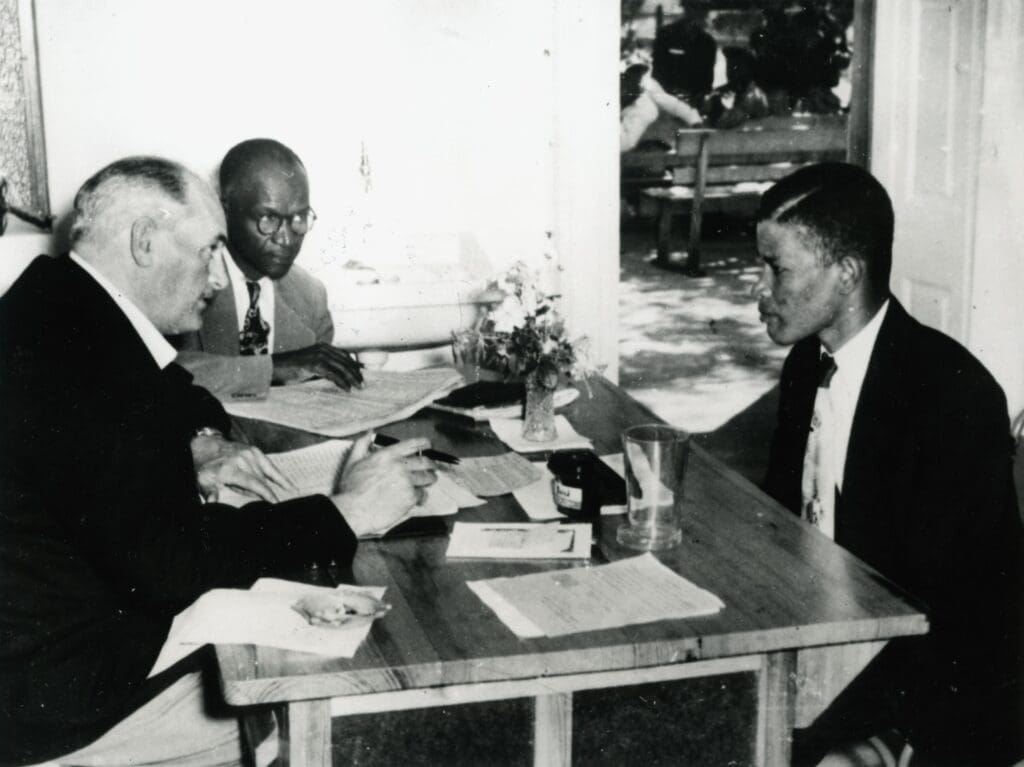
Applicants were interviewed, tested and underwent a medical examination before travelling to Britain. The Barbados government helped finance fares to Britain through loans that workers repaid from their wages.
The scheme initially concentrated on Barbados but was subsequently extended, including recruitment in Jamaica and Trinidad in 1966. More than 4,000 Caribbean workers were recruited through the formal scheme between 1956 and 1970
Women were also recruited, although they were initially a minority and were concentrated in occupations such as conducting, station work and catering.
For many recruits, working for London Transport represented both an opportunity and a difficult adjustment. Jobs involved early starts, late finishes and long periods of shift work. Staff could work as many as 12 days in 14, with morning duties beginning around 5am and evening work finishing after midnight. Accommodation could also be overcrowded and expensive, while some recruits initially found themselves isolated from family and familiar communities.
Nor was integration straightforward. The Corporate Archives contain evidence of resistance to the employment of ethnic minority staff in some parts of London Transport as early as 1959. There were also barriers to promotion and complaints about discriminatory treatment.
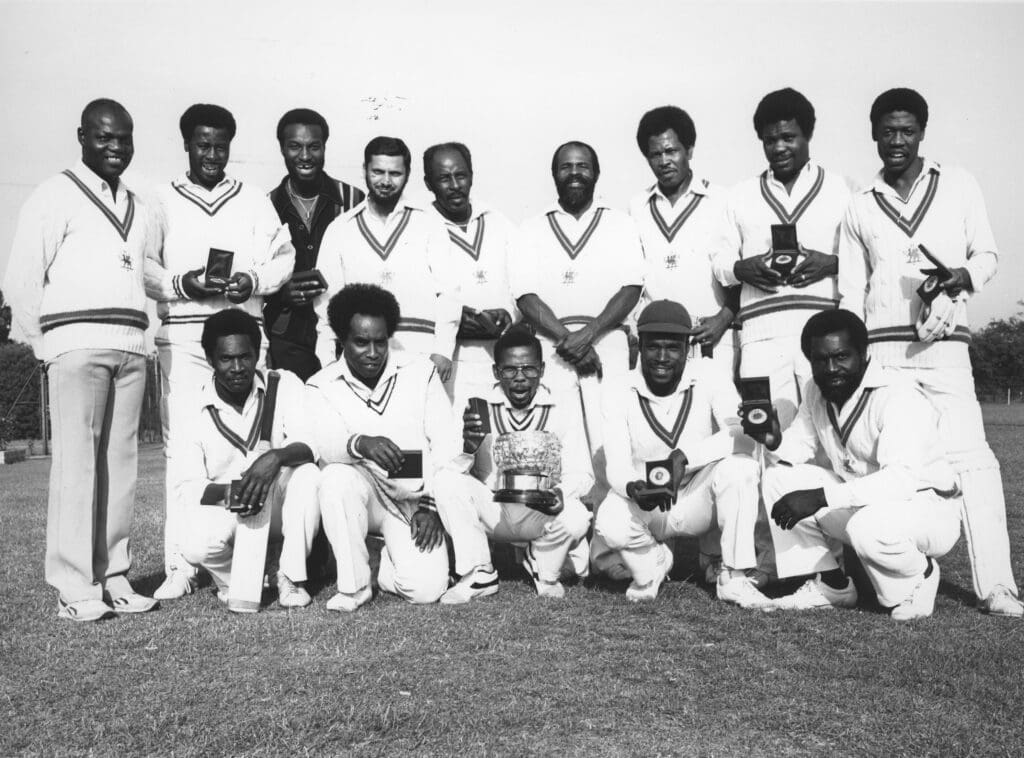
Nevertheless, overseas recruits established communities within the organisation. Cricket, athletics, football, churches, social clubs and staff associations provided important networks, and the contribution of Caribbean employees became particularly visible in London Transport’s sporting life.
The immigration environment was also changing. The Commonwealth Immigrants Acts of 1962 and 1968 restricted entry from Britain’s Commonwealth, the end of the formal recruitment scheme did not mean the end of the transformation it had produced.
By the 1970s, Black, Caribbean, African and Asian employees were an established part of London’s transport workforce. Their presence increasingly extended beyond the jobs for which overseas recruitment had originally been intended. Some progressed into supervisory and technical positions, while others became union representatives and campaigners for greater equality.
What had begun in the 1950s as a pragmatic response to labour shortages had become a permanent feature of the organisation.
Caribbean pioneers were being followed by their children, while African and Asian Londoners were becoming increasingly represented across the workforce. The foundations had been laid for the more systematic approach to equality, diversity and recruitment that would emerge in the era of London Regional Transport and, subsequently, Transport for London.
ACKNOWLEDGEMENT: ARE would like to thank Andrew Day and the Communications Team at TfL and the London Transport Museum for their support providing information and material for this initial article.
For more information about our work or to get in touch, please contact hello@actionforraceequality.org.uk.