
Action For Race Equality calls on political leaders to end the growing normalisation of racism in politics.
Over recent months elected councillors and party candidates have been exposed for extreme and repugnant racist comments.
Let’s be clear. There is no place in British public life for elected representatives to feel comfortable in espousing racist views.
Equally, there is no place in British public life for racism or racist policies such as forced mass deportation of ethnic minority people. Positions like this threaten the safety, dignity and equal standing of our communities.
This is a lesson that Britain should have learnt by now. There is a long history from the 1919 British race riots to the 1958 Notting Hill riots to the 2025 attacks in Ballymena, Northern Ireland, that teach us that racism does not remain confined to words. When left unchallenged, it can legitimise racism, discrimination and violence.
So much of this historic racist violence has been met with a recognition that something must change. In the six decades since The Race Relations Acts 1965, scandals and public failings have been met with a renewed attempt to learn lessons and a pledge to build a Britain that values equality and dignity.
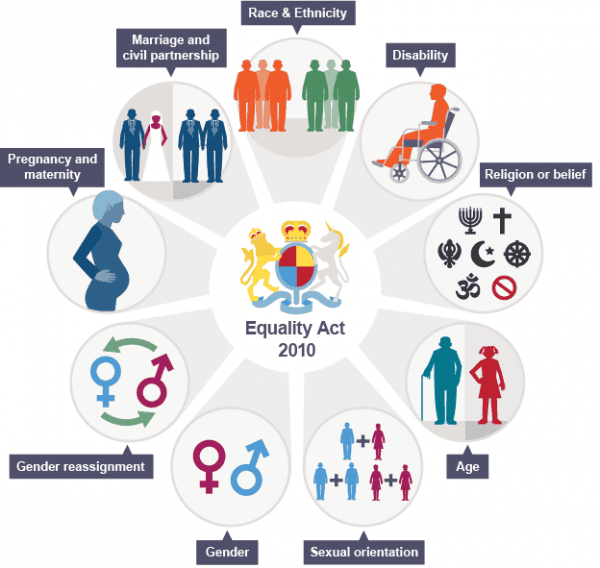
Now, political parties openly talk about undoing many of the legal protections that we all benefit from, including proposed scrapping of the Equality Act 2010 or key components with it. The same legislation that ensures equal pay for women, protects pregnant mothers and disabled people in the workplace, and prevents harassment and victimisation is coming under attack.
This is not the moment to weaken protections which benefit us all. It is a moment to reaffirm them. But legislation alone is not enough. Laws establish minimum standards; leaders set the tone, and our leaders must reject and actively challenge the growing racism which is shaping political discourse and social attitudes.
“We call on every political leader in Britain to adopt and publish a zero-tolerance position on racism and violence, applying equally to their members, elected representatives, candidates and donors.
“Every political party should be able to demonstrate that racism and discrimination have no place within its ranks. That means robust vetting of candidates, clear codes of conduct, swift action where racist behaviour occurs, and transparency about how complaints are handled”.
Britain’s equality laws were hard won. At a time when racial hostility is becoming more visible and more vocal, our response cannot be silence, complacency or retreat. The challenge facing Britain today is not whether equality protections have gone too far, but whether we have the courage and leadership necessary to defend them. There must be no place in British politics or public life for racism, racial hatred or those who seek to profit from either.