
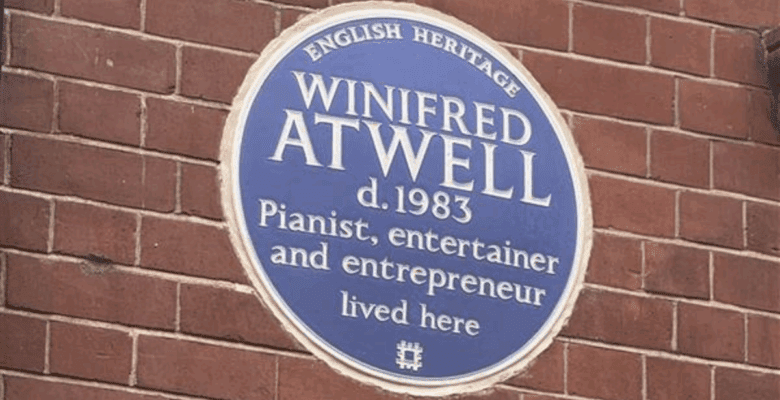
On 1 October, Action for Race Equality was honoured to attend the unveiling of an English Heritage Blue Plaque for legendary pianist and entertainer Winifred Atwell at her former home in Mayfair.
🕒 Estimated read time: 3 minutes
The event, organised by English Heritage, brought together musicians, community leaders and campaigners to celebrate Atwell’s remarkable career and enduring legacy.
Her role as a trailblazer marked not only a milestone in Britain’s cultural history but also a powerful reminder, as we enter Black History Month, of the importance of visibility and recognition.
“Winifred Atwell’s amazing story is a powerful reminder that talent flourishes and negative narratives can be changed with determination. This Blue Plaque is more than recognition of her legacy; it is a call to ensure that the contributions of Black pioneers are never forgotten, and young Black people today can build on that legacy with pride and opportunity.”
Jeremy Crook, Chief Executive, Action for Race Equality
Atwell’s story demonstrates how she was a source of inspiration for many around the world, and we recognise her impact and influence as both a person of colour who paved the way for others in music, culture, and business.
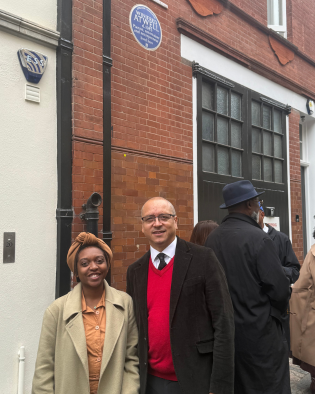
Recognising Winifred Atwell
Musician, broadcaster and member of the English Heritage Blue Plaques Panel, YolanDa Brown OBE DL, set the tone for a morning of tributes as guests were reminded of Winifred Atwell’s extraordinary influence.
About Winifred Atwell
Winifred Atwell (c.1910–1983) was a Trinidadian-born pianist whose extraordinary talent and determination saw her rise to become one of Britain’s most beloved entertainers of the 1950s. She made history in 1954 as the first Black artist to achieve a UK number-one single, and she also sold more than 20 million records worldwide, spending 117 weeks in the charts.
Her vibrant mix of classical skill and ‘honky-tonk’ flair, her barrier-breaking presence on television and radio, and her entrepreneurial ventures made her a household name and a role model for generations. Beyond her music, Atwell was a pioneer for inclusion, resilience and cultural presence at a time when Black women were largely absent from mainstream British culture.
Chantal Mayo-Holloway, from VoicesProject, an initiative which broadens the range of voices heard in classrooms and explores geographical themes through an anti-racist and decolonial lens, opened the reflections.
She highlighted how Atwell’s story continues to inspire inclusive approaches to learning and community engagement, while underlining the importance of ensuring pioneers like Atwell are remembered within education and cultural life. Following this, members of the Halo Collective spoke about the struggles of ending racialised hair discrimination, linking their campaign to the wider themes of fairness and visibility that Atwell embodied throughout her career and public presence.
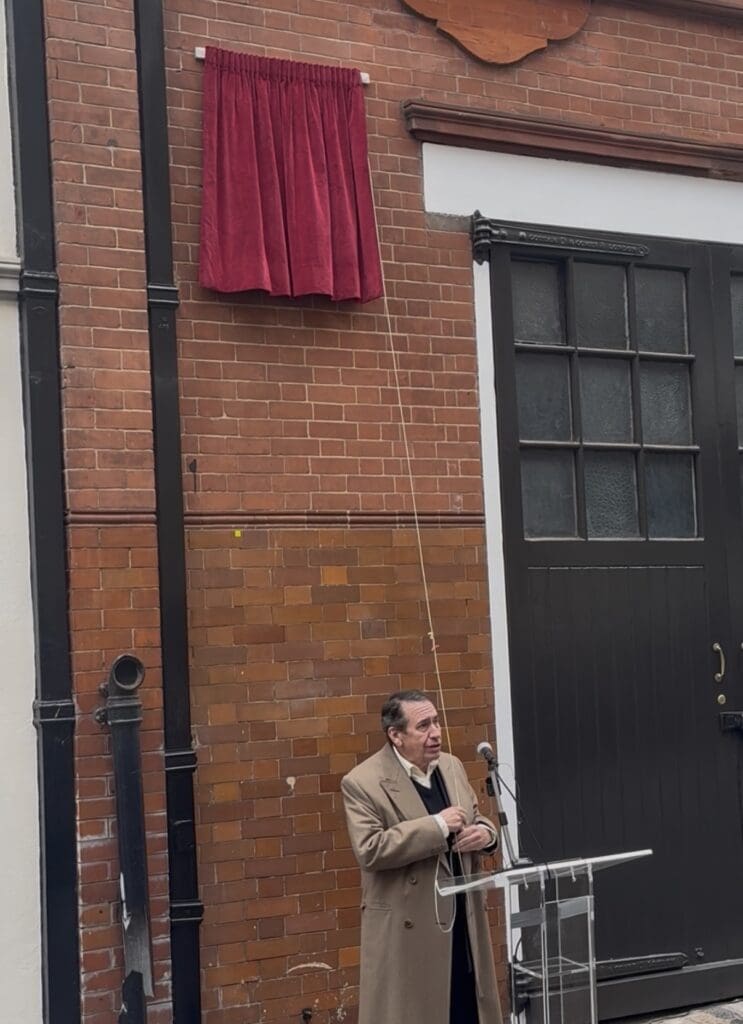
Songwriter and lyricist Sir Richard Stilgoe later reflected on the lasting influence Winifred Atwell had on him as both a musician and a person. He recalled first seeing her perform in 1958 at the Liverpool Empire, where her presence and skill left a deep impression.
He spoke about how Atwell would move between her Steinway grand and her honky-tonk piano, bringing ragtime and popular tunes to life with flair and joy. He shared that one of those very pianos has been in his own music room for the past forty years, a daily reminder of her artistry, and now, as part of this year’s Black History Exhibition at the Victoria and Albert Museum, the instrument will go on display for the public.
“I just hope that kids, grown-ups, admirers of Winifred will sit in the Victoria and Albert and play Black and White Rag on that very piano, because she changed my life.”
Sir Richard Stilgoe, Songwriter and lyricist
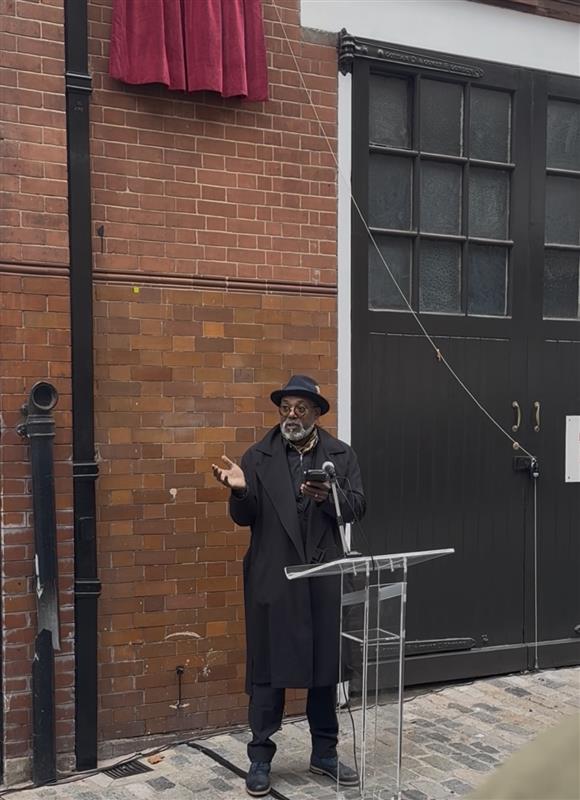
Musician and broadcaster Orphy Robinson MBE reflected on Winifred Atwell’s extraordinary journey, describing her as a woman who “defied every limitation placed before her and so did so with style, brilliance and a sizeable touch of boogie woogie.”
He highlighted how her path from Trinidad to New York, London and eventually Sydney symbolised the struggles and triumphs of “360 Black lives in music.”
Orphy reminded us that beyond her chart-topping success, Atwell broke new ground as an entrepreneur, opening one of the first dedicated Black hair and beauty salons in Brixton, a testament to her resilience and commitment to community as well as to music.
Singer, songwriter and filmmaker, Leee John, offered a personal tribute to the star’s global legacy, emphasising the way her music transcended borders and inspired audiences worldwide.
The ceremony concluded with what attendees came to see as composer, pianist and broadcaster Jools Holland OBE DL unveiling the plaque.
What this recognition means
This Blue Plaque recognition highlights the resilience and achievements of pioneers like Atwell, underscoring the importance of remembering and celebrating their contributions. It is a powerful recognition of Black excellence and resilience in Britain’s cultural history.
Welcoming this blue plaque is also a reminder that stories like Winifred Atwell’s must be amplified, celebrated and preserved. Her resilience and innovation speak to the values ARE champions today: opportunity, equality, and the fair representation of young people of colour to thrive across every sector of society.
For more information about our work or to get in touch, please contact hello@actionforraceequality.org.uk.
Keep an eye on our social media channels for more Black History Month-dedicated content.