On 10 September, our Routes2Success programme brought together role models, young people, staff and trustees to celebrate the people behind the programme and reflect on its impact over the past three years.
🕒 Estimated read time: 5 minutes
Delivered by Action for Race Equality, Routes2Success has been supporting young people for over 13 years, helping them build confidence, explore their aspirations and issues which affect them and recognise their potential.
During Black History Month and ahead of National Mentoring Day (27 October), the need for Black and Brown role models and mentors feels particularly urgent. Continued reports of racism in schools and the wider visibility of anti-minority rhetoric remind us of the barriers many young people face. The loss of Professor Jason Arday, a former Routes2Success role model, was also felt by the community, and he is remembered fondly by our organisation.
For young people from Black and Brown backgrounds, a mentor who shares aspects of their lived experience can offer a powerful sense of recognition. That connection can help build trust and give young people space to explore their identity, aspirations and challenges with someone who understands some of the context they may be navigating. No two experiences are the same, but feeling seen and understood matters.
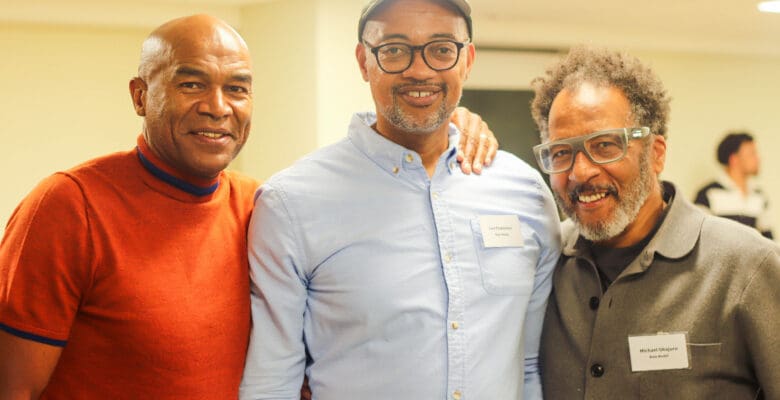
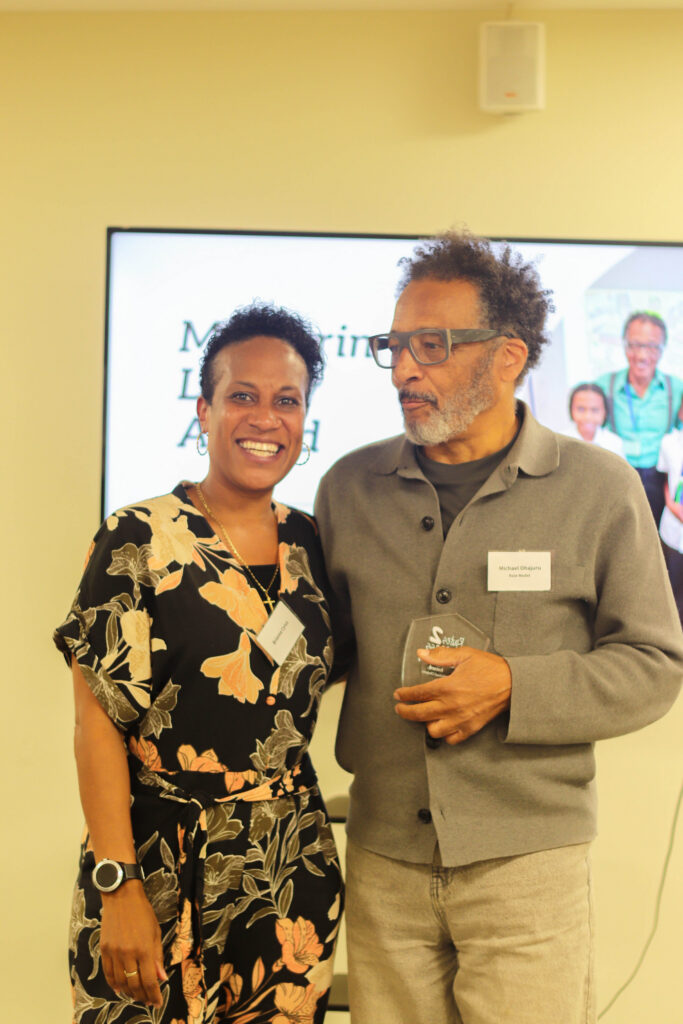
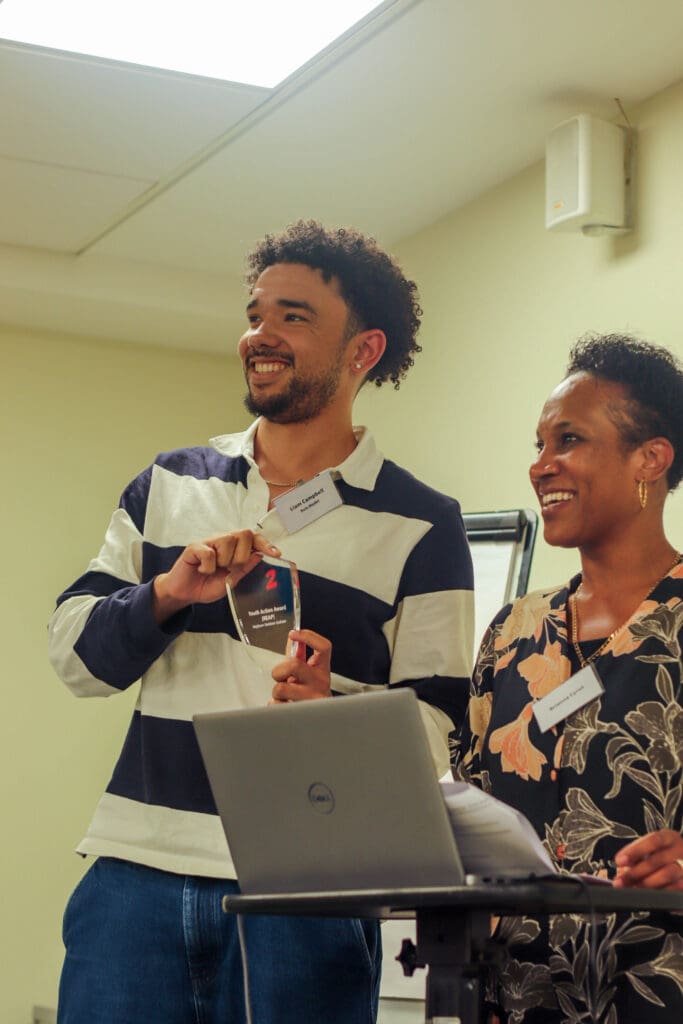
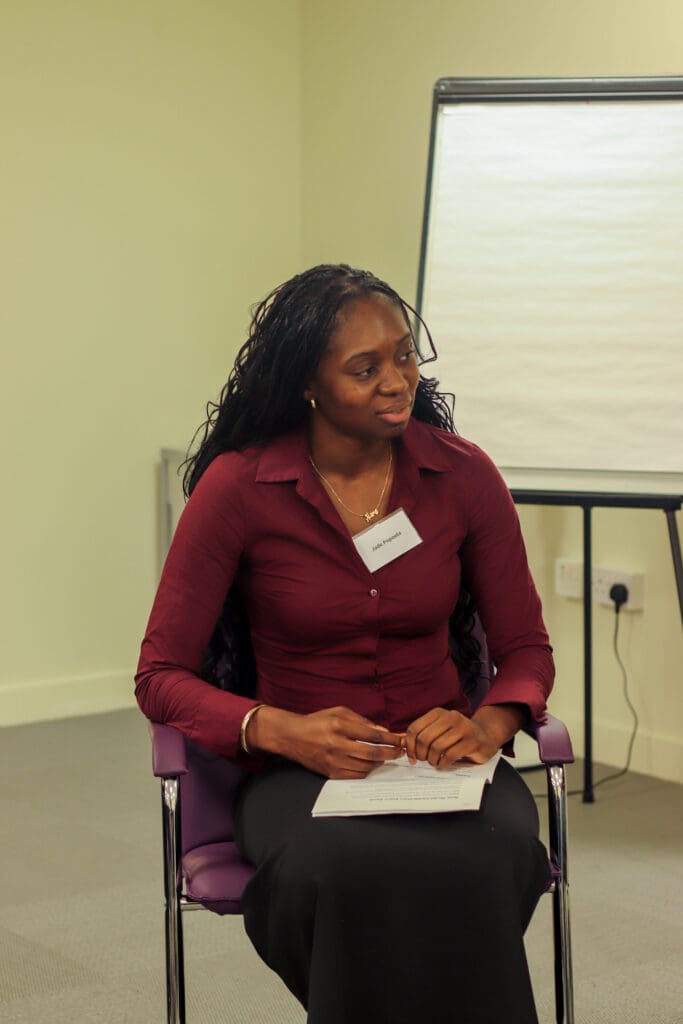
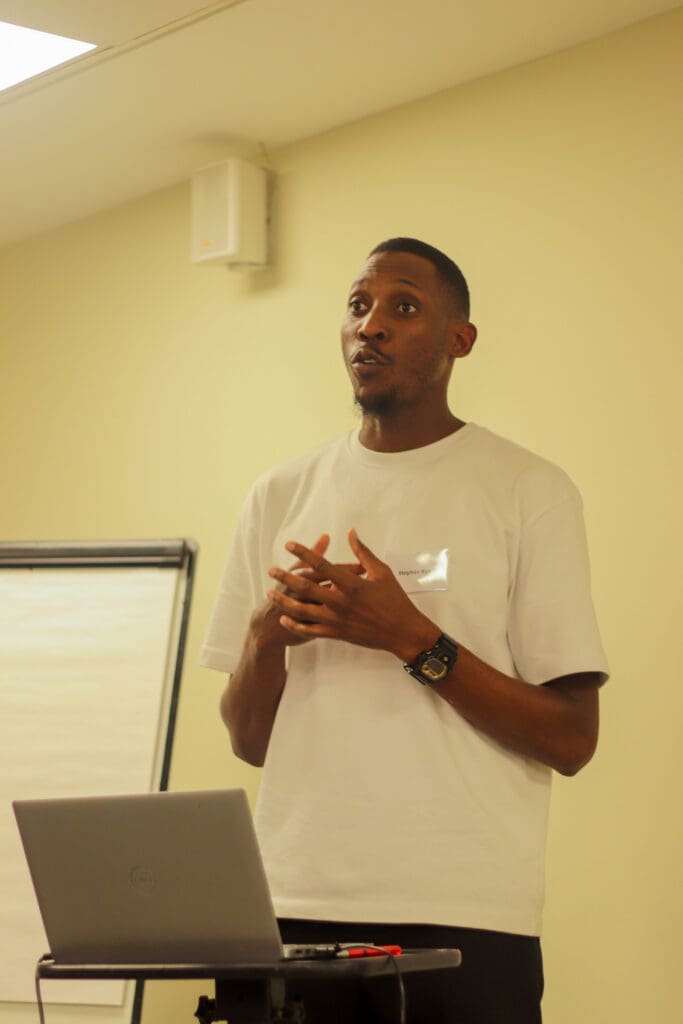
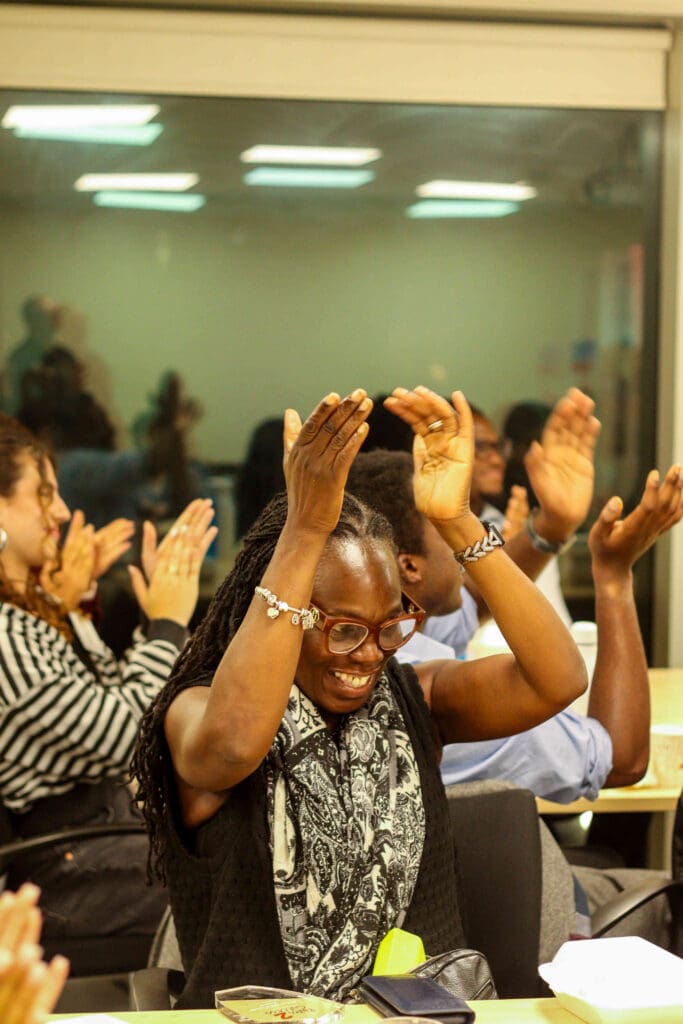
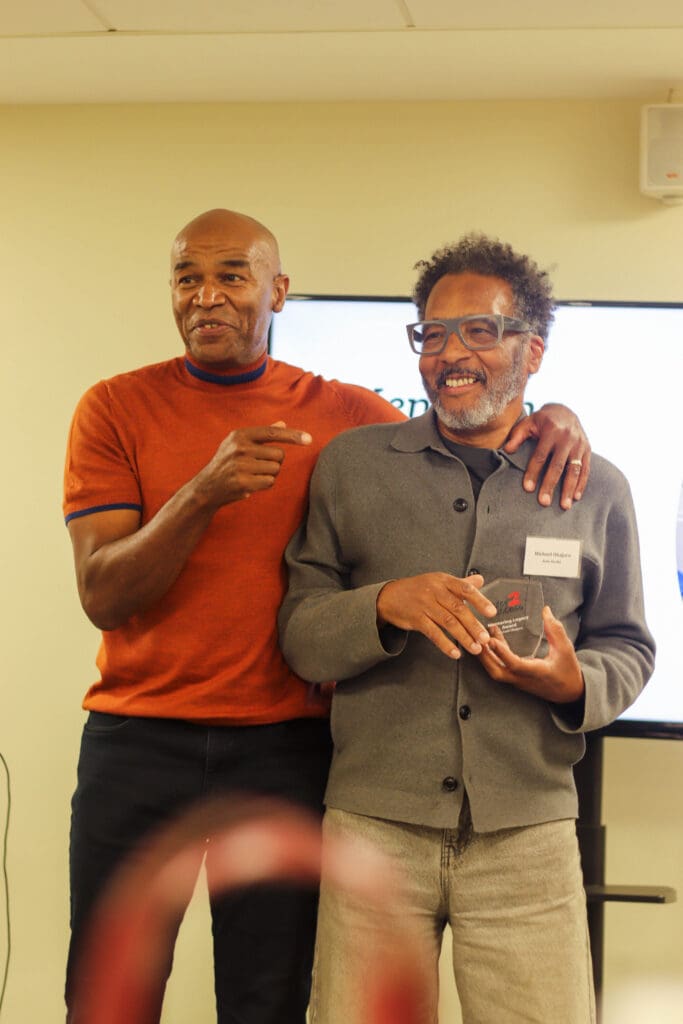
The event brought together more than 20 Routes2Success role models, alongside current and former staff members and trustees. We acknowledged the mentors who have gone above and beyond over the last three years for their contribution to group and 121 mentoring as well as the race equality acion projects (REAPs).
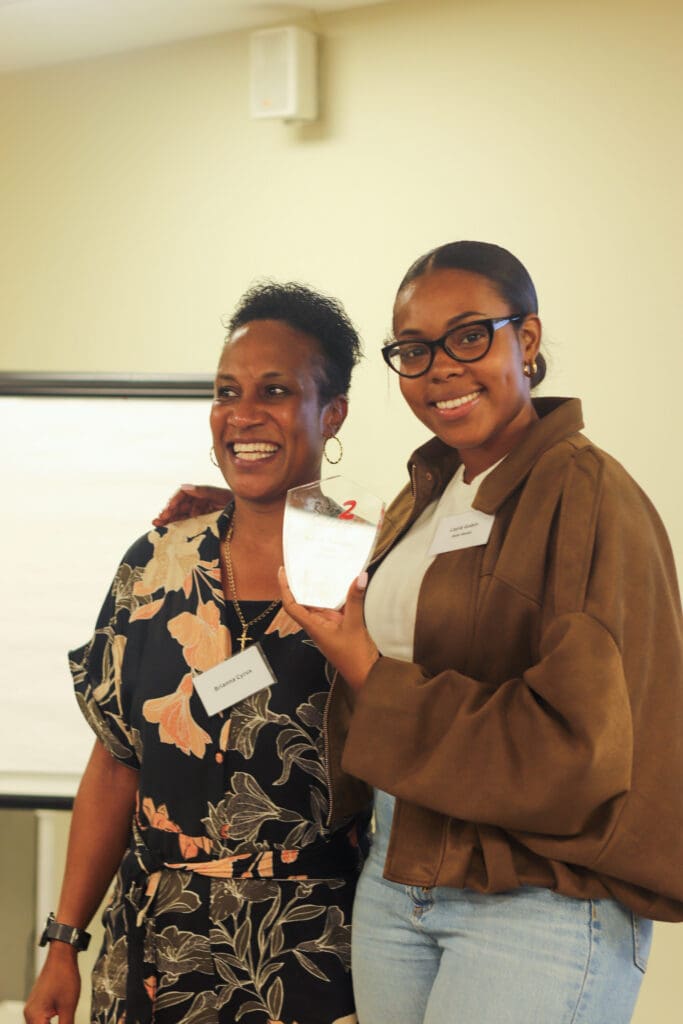
Six role models — Layla Gobin, Jacqueline Adusei, Greg Bonsu, Hepburn Harrison Graham, Geri McCleary, and Michael Ohajuru — received awards recognising their commitment to building relationships and supporting young people grow in confidence and personal development.
Learning from Rheanna and Ava’s story
One of the highlights of the event was hearing from Rheanna and Ava, who began their Routes2Success journey in Year 9 and are now in Year 12. Alongside them were their mentors, Jacqueline Adusei and Layla Gobin, who have both been part of the programme for over seven years.
Through group mentoring, one-to-one sessions and a Race Equality Action Project (REAP)1, Jacqueline and Layla worked with Rheanna and Ava to develop their confidence, explore their aspirations and discover new ways to peer-mentor others in their school. But the impact of their journey extends beyond the formal mentoring sessions.
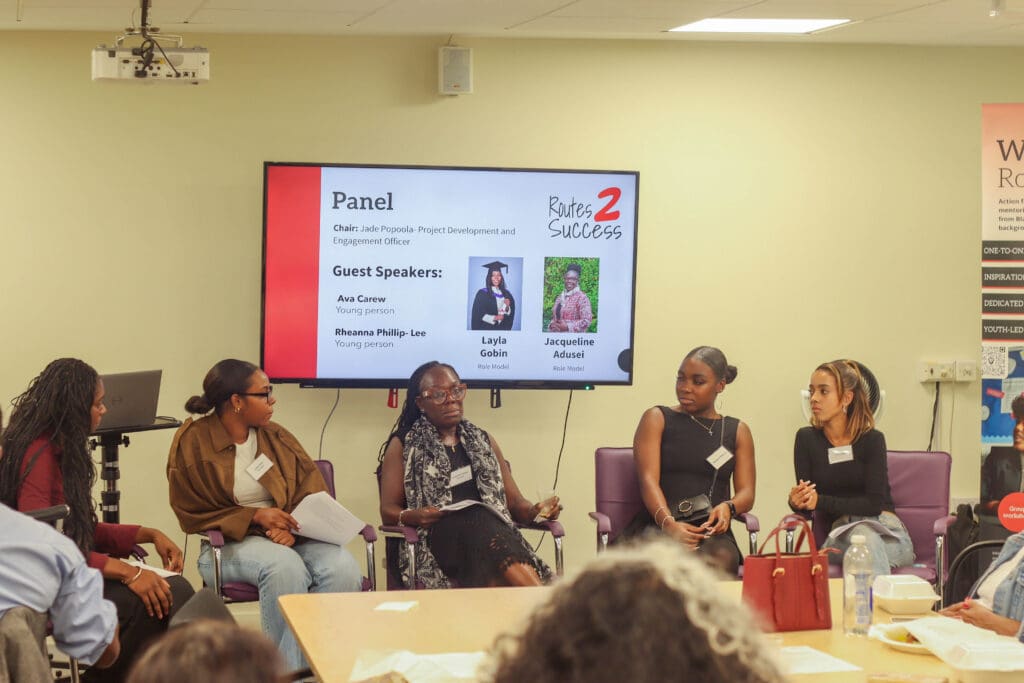
They shared how their relationship has continued beyond the formal programme. This summer after completing their GCSE exams, Rheanna and Ava went out for lunch at Nando’s with their mentors this summer to celebrate. A simple but meaningful moment that reflects the genuine relationships they have built- people they can learn from, turn to and carry with them beyond the programme itself.
Their experiences echo the findings of an external evaluation conducted by Dr Kat Walker and Ambreen Shah, which was presented at the event. The evaluation highlighted the effectiveness of Routes2Success’s three-layered approach, which gives young people different ways to build trust and connect with their mentors. It also found that 70% of students who took part in Race Equality Action Projects finished the programme feeling “very confident” in at least seven areas.
One student described their growth this way:
After the programme I guess you can see [I am] much more calmer, just that more relaxed and more free.”
That sense of growing confidence was clear in Rheanna and Ava’s own reflections. Rheanna spoke about becoming more patient, while Ava described becoming more confident. Ava also spoke about how much she had grown by taking part in a panel discussion in front of the role models at the event.
Their growth has reached beyond their own experiences. As part of their REAP, Rheanna and Ava joined other students in a peer-mentoring initiative, supporting girls in younger year groups. With the tools and encouragement they had received from their mentors, they were able to share their experiences and help younger students recognise their own potential.
Mentoring is never a single story. It is a tapestry of relationships that grows over time, extending beyond the programme and creating communities that young people can continue to lean on. Rheanna and Ava’s journey, from Year 9 mentees to Year 12 students mentoring young pupils, shows what can grow when they are given the time, space and relationships they need to flourish.
Creating space for Black connection and belonging
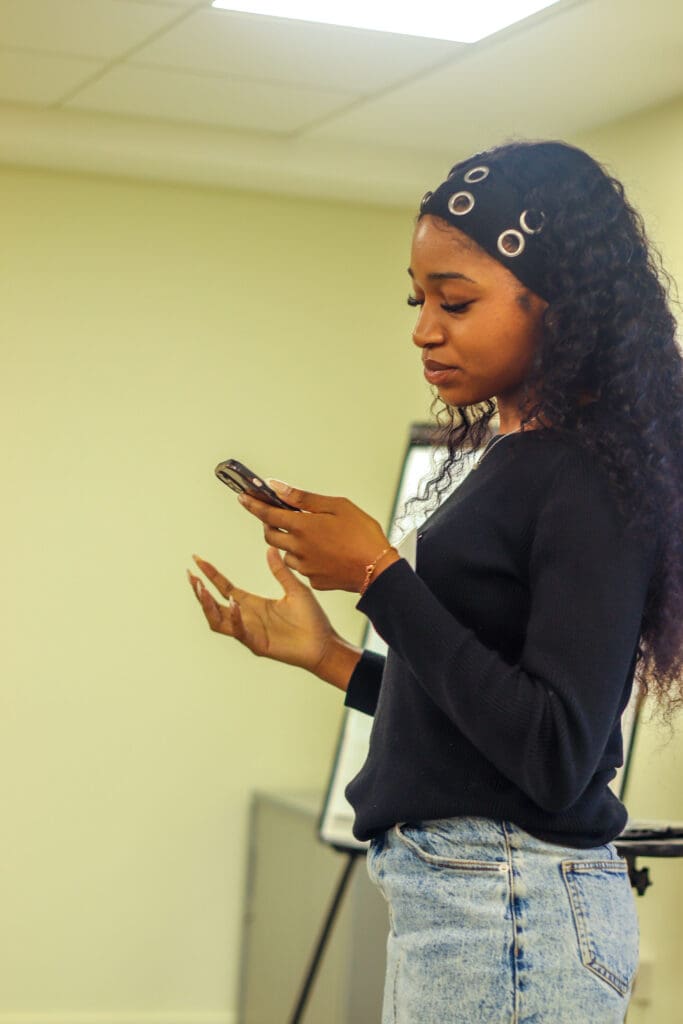
During the event, young person Nene Obiajuru performed a spoken-word piece reflecting on the experience of being misunderstood and the importance of mentoring. She shared:
You CANNOT cry as you are misunderstood
You cannot cry as you ARE misunderstood… Black love trumps black struggle, and black companionship defines the black experience.”
Her words captured the importance of the spirit of Black History Month, being listened to, understood and encouraged. In the face of racism and exclusion, having someone who takes the time to understand you and believes in your potential can make a lasting difference.
As the external evaluation report concluded, Routes2Success is a highly effective, relationship-based programme that is helping build confidence, develop aspirations and strengthen their sense of belonging.
This is the power of mentoring: creating spaces where young people are supported to grow, where their experiences are valued, and where they can begin to see new possibilities for themselves.
The external evaluation described Routes2Success as a highly effective, relationship-based programme that helps young people build confidence, develop their aspirations and strengthen their sense of belonging. Rheanna and Ava’s story shows what that can look like: young people supported to grow, and then to offer that support to others.
For more information about our work or to get in touch, please contact hello@actionforraceequality.org.uk.
- Race Equality Action Projects (REAPs) address the needs and issues that affect ethnic minority communities. They are centered on issues that matter most to young people and encourage them to challenge and explore these issues in a productive and meaningful way. ↩︎
Author: Jade Popoola, R2S Development Officer