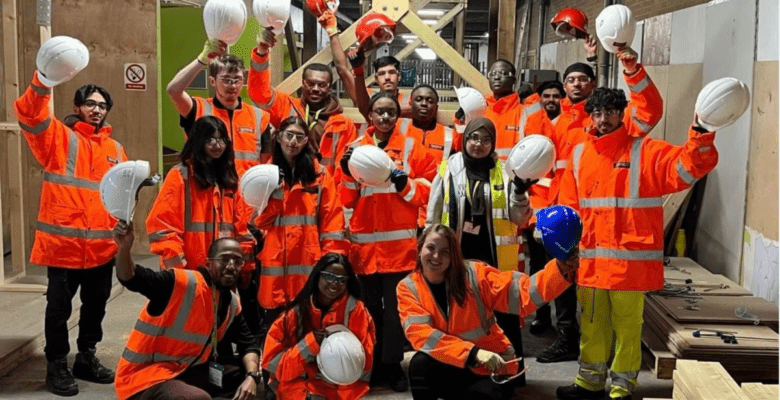
ARE’s UPLIFT Programme brings together organisations working across communities to support young people and tackle inequality in meaningful ways. As part of the programme, we are shining a light on the alumni organisations involved in the programme’s first cohort, highlighting the work they do, the challenges they face and the impact they are making.
In this spotlight, we speak with Rommel Wallace from Serious About Youth (SAY), an organisation dedicated to helping young people build better futures through employability support and access to opportunities, particularly within the engineering and construction sector.
Estimated read time: 5 minutes
SAY is a youth-focused social enterprise based in London. They specialise in developing innovative, interactive and effective Educational Workshops and Employability Training.
Interviewee: Rommel Wallace, Co-founder and Director, Serious About Youth (SAY)
Tell us about your organisation. Who do you work with, and what problem are you trying to solve?
Serious About Youth, also known as SAY, officially started in 2010. It was founded by me and my best friend, Paul Matthews.
What inspired us was the spike in youth murders and knife crime around 2007. We wanted to do something to support young people and make a difference.
At first, we thought about doing an event, but the feedback we got was about long-term impact. With my background in spoken word poetry, we created Poetically Speaking, using poetry to teach effective communication skills. We also developed workshops around problem-solving, team building and creative thinking.
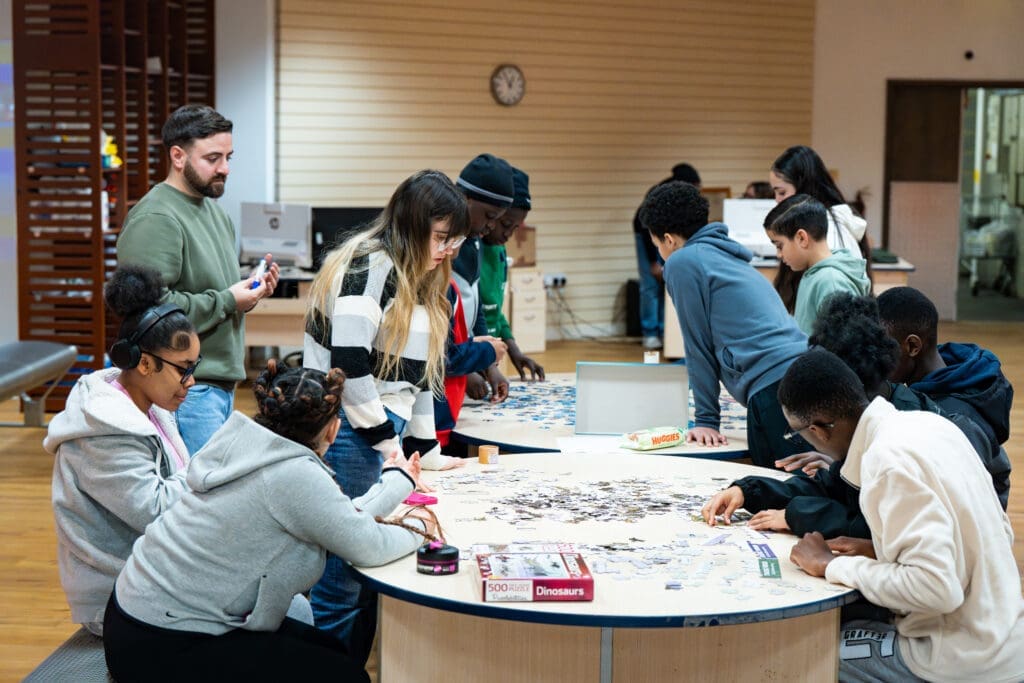
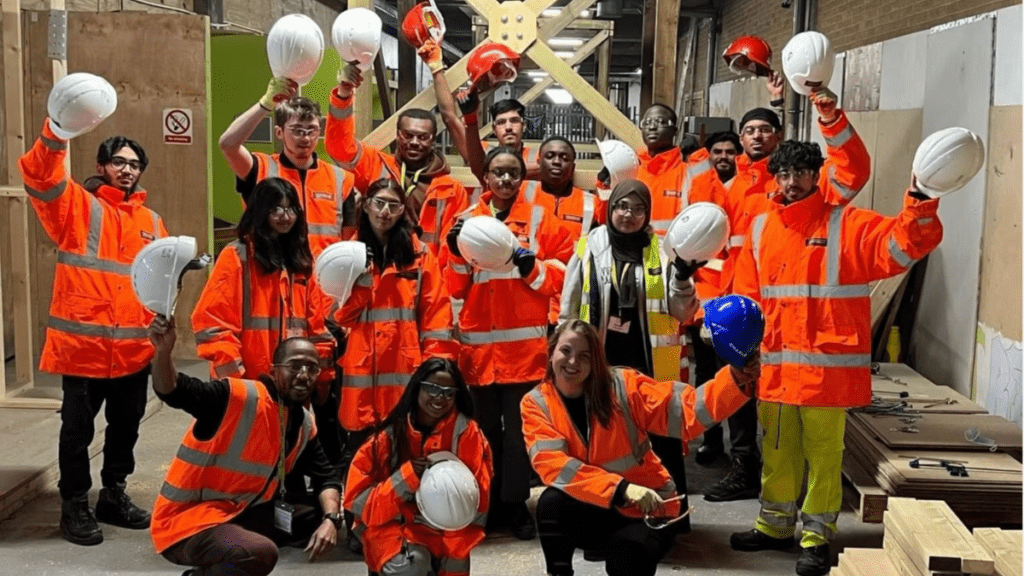
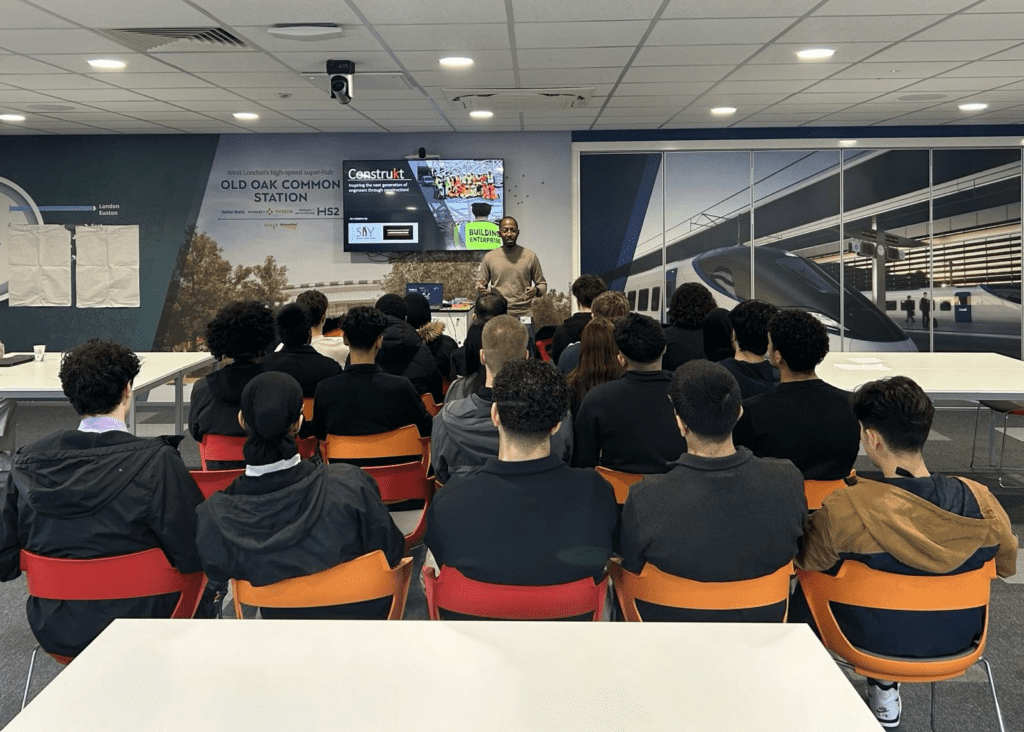
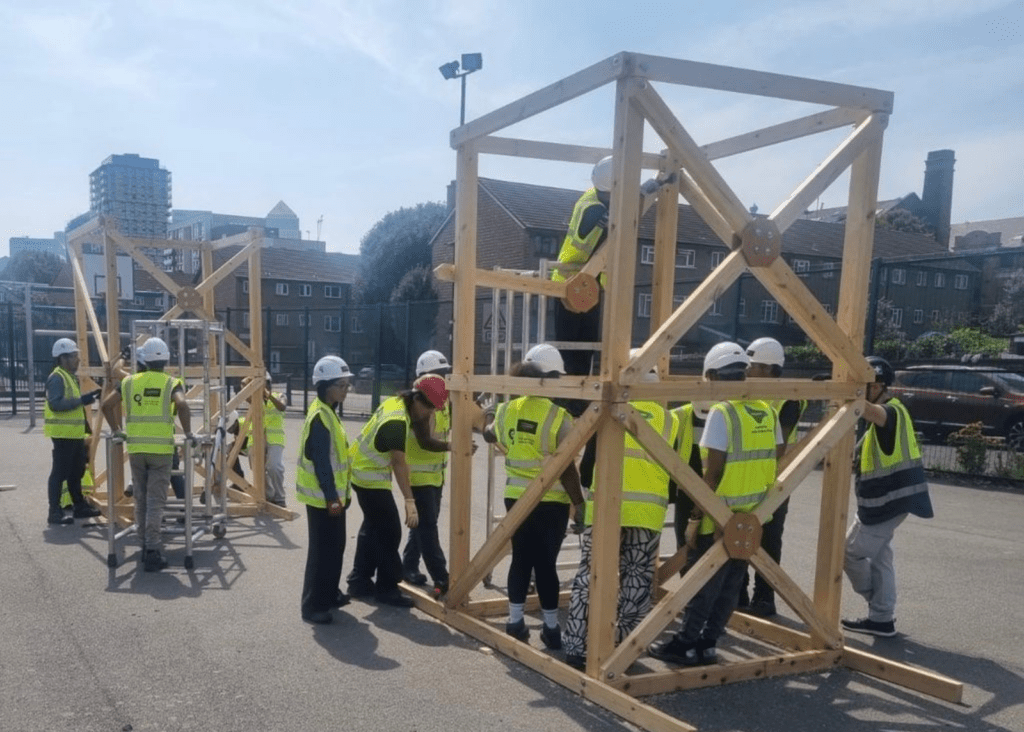
Today, we work with young people from primary school age through to 25, including those who are unemployed or not in education, employment or training. Our aim is to help young people achieve success and have better lives. Since 2014, our Construct programme has supported underrepresented young people into construction opportunities.
Why is your work needed now? What is happening in your community or sector that makes it urgent?
There is a lot going on for young people. The economy, the cost-of-living crisis and Brexit have all affected opportunities. The rise of AI is also creating uncertainty about future careers.
For underrepresented young people, particularly Black and other ethnically diverse young people, there are already more disparities and challenges in the job market.
Construction has a massive skills shortage, so there is more of an imperative for firms to engage with demographics they have not traditionally engaged well.
What does impact look like for you, beyond numbers and outputs?
The whole reason we started SAY was because we wanted to make a difference in young people’s lives and help them experience more happiness, success and opportunities.
We are not always focused only on numbers because we are a small organisation. If we can change the life of even one young person, then it is worth it.
At the same time, outcomes are important. We want young people to progress into jobs, apprenticeships and careers. We often say that knowledge is power, but for us, implemented knowledge is power.
What are some of the biggest challenges your organisation currently faces?
Like many smaller grassroots organisations, sustainability is one of the biggest challenges, particularly financially.
We are a social enterprise, and that was deliberate. We did not want to depend only on funding. Schools and colleges pay us to deliver workshops, and construction partners sponsor our Construct programme, which helps them with social value targets.
Still, we have to focus on delivery, quality and results, while also thinking about marketing, revenue and the financial side.
What motivated your organisation to apply for UPLIFT?
We have a good relationship with Action for Race Equality and have always enjoyed working with ARE.
When the opportunity came up to take part in a capacity-building programme with ARE, knowing ARE’s history and expertise, it felt beneficial.
As an organisation, we believe in continuously developing and getting better. UPLIFT felt like a chance to keep moving forward and become more efficient and effective.
What do you think funders and decision-makers may misunderstand about organisations like yours?
Sometimes funders and decision-makers forget that we are here, that we matter and that we play a vital role in making a difference in society.
Smaller grassroots organisations often have real connections with communities, particularly harder-to-reach groups that may not trust more formal or governmental organisations.
Funders can focus on larger organisations with bigger revenue and scale, rather than recognising the quality of work smaller organisations do. Sometimes funding structures make it hard for smaller organisations to apply or even be eligible.
What would meaningful investment in organisations like yours look like?
Programmes like UPLIFT are important because capacity-building support helps smaller grassroots organisations strengthen how they work.
It would also help if those programmes came with some level of funding, particularly to support core costs. Funding is often too restricted, which can make it difficult to cover staff and running costs. Meaningful investment would also mean including grassroots organisations when policies, programmes and interventions are developed.
What keeps you going when the work feels difficult or exhausting?
For me, this work is personal. I came into this field because I needed help myself.
When I was at university, I was struggling to find a work placement. My mum told me about a charity in northwest London that helped people into work. I joined their programme, was blown away by what they did and ended up doing my placement with them.
That organisation was LEAP, now called Making the Leap, and I worked there for about 12 years. That gave me the knowledge and experience to start SAY.
What is something people rarely see or understand about the work you do?
People do not always understand that this work is hard and important. Sometimes the voluntary sector is seen as nice or fluffy, or as well-meaning people trying to help others without necessarily being professional or skilled.
I take the approach that this work should be delivered at a professional level, with a high standard of service for young people and partners.
If you could change one thing about the system you work within, what would it be?
I would change the way funding is done, including the eligibility criteria and the hoops smaller organisations have to jump through.
There also needs to be more recognition from corporates, funders and decision-makers. We are a company delivering professional, high-level work and trying to make an impact.
What does success look like for your organisation over the next two to three years?
Success means continuing to grow. We want to grow the construction-related work we are doing, develop more partnerships, generate more revenue and build our staff base.
Ultimately, it is about reaching and supporting more young people, helping them access opportunities and continuing in the positive direction we are moving in.
Ready to strengthen your organisation’s sustainability and long-term impact in 2026?
Applications are now open for cohort 2 of the UPLIFT programme!
Delivered by ARE and funded by City Bridge Foundation’s Anchor Programme, UPLIFT provides fully funded support to help community-led organisations build capacity, sustainability and influence.
Find out more HERE