
If you’d told me a few years ago that I’d be balancing full-time work, while pursuing a PhD, I might not have believed you. Since leaving the classroom in 2023, it’s been a whirlwind of growth, learning, and deepening purpose.
Estimated read time: 5 minutes
I’m often asked, “How do you do it all?”. The truth is that my work is part of me. It’s rooted in my lived experience and driven by a passion that shows up in almost everything I do.
From the Classroom to the Academy
My academic journey began with degrees in law and human rights, but it was through teaching, that I began to truly understand the systemic barriers that many students face, particularly Black students. I regularly supported intelligent, capable young people who, despite their potential, were navigating an education system that didn’t always see or affirm them.
Culturally aware support was often missing, and that’s something I understood personally. I grew up attending predominantly White schools, but during my GCSE years, I was fortunate to attend a supplementary education programme led by Black and Asian educators. This was the first time I had a Black teacher. It profoundly impacted my confidence, sense of belonging, and ultimately my academic outcomes.
But that experience was short-lived. My transition to A-levels, undergraduate and postgraduate study, and ultimately ‘the working world’ was challenging. I was essentially left with minimal representation, little to no culturally aware support, and a dramatically reduced sense of belonging.
Why PHD?
10-year-old Iman, once wanted to solve all the world’s problems. These days, I’ve zoomed in on higher education, but the intention is still justice.
My experiences as a teacher and mentor made me deeply aware of the lack of representation, support, and voice for Black and other marginalised students in education. Whether it was the absence of diverse role models in teaching staff, the lack of cultural representation in the curriculum, or the subtle yet persistent microaggressions students encountered, it was clear the system wasn’t built with them in mind.
Pursuing a PhD felt like the natural next step to explore these issues more deeply, amplify Black students’ voices, and contribute to long-term change in the sector. My research focuses on the lived experiences of Black postgraduate students in England, examining the barriers they face and how these impact their student experience and academic outcomes. By centring student voices and exploring equity-driven strategies, my work seeks to inform policies and practices that create more inclusive, culturally aware, and representative higher education environments.
More Than Research: Impact Through Action
In addition to my PhD, I’ve engaged in several other projects and initiatives that support and empower Black students and widen participation in higher education. Here are a few examples.
Through the RARA Education Project (Real and Authentic Representations of Africans and Caribbeans), of which I’m co-director, we’ve delivered outreach with young people, including a community fundraiser to provide laptops to Black GCSE students. We’ve also delivered race-specific EDI training across various organisations, including higher education institutions.
Whilst navigating the postgraduate space as a PhD student, I co-founded Sister Scholars network UK, an Ubuntu-inspired informal network for Black women in or aspiring to postgraduate study. Ubuntu, meaning “I am because we are”, is a South African philosophy rooted in collective care, shared humanity and mutual uplift – principles that the Sister Scholars network embodies. The network offers a safe space where members can share experiences, access guidance and support, exchange academic and professional advice, and build connections.
Being part of the Yorkshire Consortium for Equity in Doctoral Education (YCEDE) Scholars Board has been one of the most affirming parts of my academic journey. YCEDE’s mission, to tackle inequities in postgraduate research, aligns deeply with my PhD and lived experience. As board members, we are involved in shaping policies, planning student-led events, and contributing to training for admissions staff, amongst other activities. But what’s most powerful is that our voices as scholars are not only welcomed, they are embedded in the work. This level of genuine collaboration is rare in academia; it’s what makes YCEDE so impactful and why I am proud to be involved.
During my PhD, I’ve also had the opportunity to engage in other research related to embedding cultural awareness in postgraduate education and non-formal learning spaces. These projects continue to provide insight into how we can remove barriers for Black students across the academic journey.
In my current role in Educational Engagement, I lead and support widening participation initiatives for pre and post 16 students within the social sciences. It feels like a return to the classroom in many ways, working directly with students to help them explore their interests, understand higher education options, build confidence, and connect with professionals from similar backgrounds through summer schools, campus visits, workshops, and career events.
Final Thoughts
My journey has been rooted in lived experience, shaped by community, driven by equity, and has been anything but linear.
Whether I’m mentoring a student, engaging in outreach, facilitating a safe space, or conducting research, I do it with the same intention – to build an education system where all students feel seen, valued, and equipped to thrive. As the work continues, I’m grateful to be walking this journey alongside so many others who are equally committed to equity, justice, and transformation in higher education.
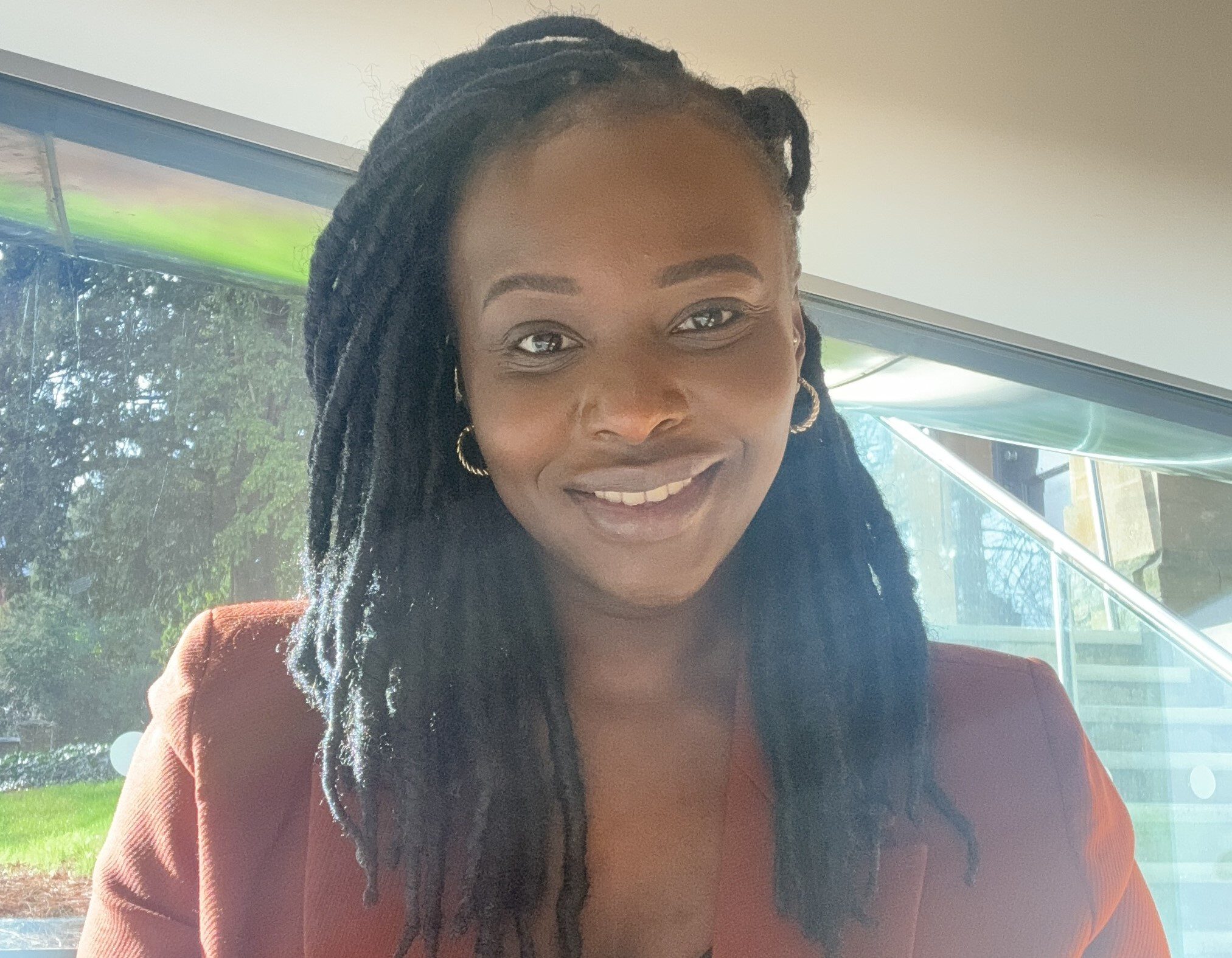
Iman Federico Awi
University of Leeds