
There is an urgent need for policing to demonstrate impartiality, professionalism and humanity in its interactions and for politicians not to use the situation to drive their own agendas
Action for Race Equality extends its deepest condolences to the family and friends of Henry Nowak. We recognise the profound pain and grief caused by this tragic loss, and we stand in sympathy with all those mourning him.
ARE is a national charity committed to ensuring that policing and the wider criminal justice system in this country are free from all forms racism, sexism, misogyny and homophobia, and that all women and girls, including white working-class girls and young women, are listened to and treated with respect and dignity.
That is why we welcomed the National Police Race Action Plan and the NPCC’s commitment to co-design with Black community organisations. It should also be remembered that only six out forty-four chief constables have acknowledged that their forces are institutionally racist.
In fact, for more than a decade, we have acted as a critical friend to the Metropolitan Police and the National Police Chiefs’ Council, working to ensure that Black and ethnic minority Black, Asian and Mixed Heritage communities are treated with respect, fairness and dignity at all times.
The circumstances surrounding Henry Nowak’s death, and the wider questions they raise about police conduct and decision-making, will be deeply distressing to many. This case underlines the urgent need for policing to demonstrate impartiality, professionalism and humanity in every interaction. That is what every individual and every community should be able to expect regardless
We have arrived at this point because the repeated treatment of Black men, women and children by police over many years, including in cases such as Child Q in Hackney has fallen woefully short of these expectations. These incidents have profoundly damaged trust and confidence within Black communities. Regrettably, that damage continues because of the disproportionate use of stop and search and use of force, including batons and Tasers.
How police officers perform/execute their duty is the true heart of this tragedy. Those who watched the footage cannot say that the police executed a full and proper duty of care to Henry Nowak in his last moments.
Policing and the rule of law are vital, and without them we do not have a free society. It is therefore even more important that policing is carried out in a way that commands public confidence and treats every community with dignity and fairness.
It is hard to escape the conclusion that, despite decades of scrutiny and reform, the standard of respectful and equitable treatment that communities have long demanded has too often not been met. There must now be full accountability, reflection and meaningful change.
We want to see police forces that are representative of the communities they serve and equipped with a reasonable understanding of those communities’ histories, experiences and needs. Every police force should ensure that its officers and staff are properly informed about the communities they police, because effective policing depends on public trust, community support and people from those communities believing that policing is a service they can join, influence and help to improve. Without that understanding, trust cannot be rebuilt and confidence cannot be sustained.
Racial attacks are increasing, and we need the police to respond to hate crime consistently, professionally and sensitively. And bring all perpetrators to justice.
Political leaders do great harm when they suggest that ethnic minority communities receive preferential treatment compared with white people. For many years, racist attacks did not receive the attention from the police that they deserved, although there has been some improvement. That is precisely why the Macpherson Inquiry was so important, and why its lessons must continue to shape policing today.
We call on politicians to stop using Henry Nowak’s tragic death to incite division and hatred, and for their own political ends.
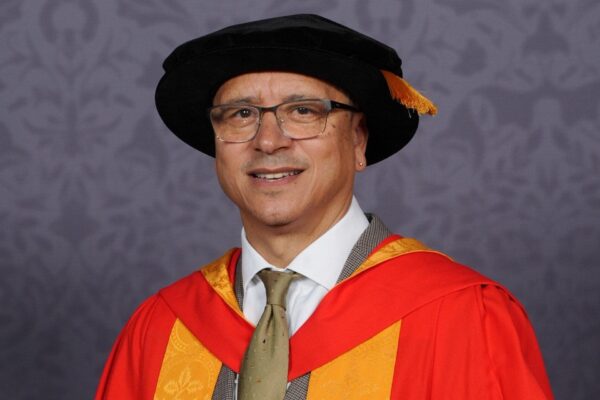
– Jeremy Crook OBE, ARE Chief Executive