
There were certain areas in the business where I wasn’t necessarily fully confident in my own understanding… I felt like it [Islington Business Resilience Programme] was a great opportunity to reach out to people in the field who might be able to help”
Ashana, founder of Basement 144
Discover more: Basement 144
Islington Business Resilience Programme- Entrepreneur Case Studies
Ashana – Basement 144
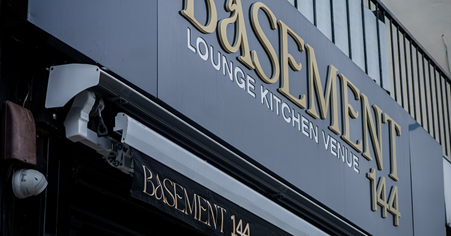
Ashana founded Basement 144 as a vibrant venue hire space in Islington, catering to everything from birthday parties and celebrations to corporate events. Seeking support and guidance to move her business forward, she came across the Islington Business Resilience Programme (IBRP), a programme aimed at helping local businesses and entrepreneurs to build capacity and achieve sustainable growth.
Ashana joined the programme, hoping to gain direction in areas where she felt less confident. The one-to-one consultancy sessions proved particularly valuable, giving her space to reflect on her business, receive tailored feedback, and explore new ideas. Working with the programme’s marketing consultant, Alex Louis, she reviewed her website to see how she could incorporate customer data and began actively collecting customer feedback and reviews. This not only showcased the strengths of Basement 144 but also offered insights to improve client experience and internal operations.
Another highlight for Ashana was the Procurement Workshop, which provided a clear overview to participants of how Islington Council commissions local businesses and what they look for. Around the same time, Basement 144 opened a new restaurant and the workshop helped Ashana identify how the restaurant could benefit from local procurement opportunities and access energy efficiency grants available in the borough.
Financial management was an area where Ashana saw significant growth. With support from the programme’s expert business consultant, Tutu Adebiyi, she began using tools to track income and expenses more effectively, which allowed her to identify patterns and make more informed decisions. This new clarity helped her recognise how the effects of staffing changes and using event promoters impacted finances and gave her the tools to plan more strategically.
It’s like I’ve got a clearer picture of the incomings and outgoings. Now I can reflect on what’s happening and understand the impact of certain decisions.”
The programme also facilitated valuable business-to-business connections, linking Ashana with food providers and other local charities — opening up new opportunities for collaboration and mutual support.
Ashana received a small grant through the programme, which supported the redevelopment of her website and helped promote the restaurant, now open five days a week.
One of the most profound shifts for Ashana was in her role as a business owner. At the start of the programme, she was heavily involved in the day-to-day running of the venue. Now, she’s actively taking steps to step back from operations, delegate responsibilities, and focus on business planning and strategy, which has led to her taking on new staff.
Reflecting on the experience, Ashana found that the support coming from consultants who were female and from an ethnic minority background was particularly valuable: “It felt more relatable,” she shared. “When you’re speaking to another woman, you know they may have experienced similar challenges. It’s not someone totally out of the loop.”
What’s her advice for other entrepreneurs?
Sometimes we feel we can do it all ourselves, but it’s good to step back and reach out for guidance. It’s not about saying you’re not good enough, it’s saying I want to be better.”