ARE’s UPLIFT Programme supports organisations working across communities to create opportunities for young people and address inequality in practical, lasting ways. As part of the programme, we are highlighting the alumni organisations involved in the programme’s first cohort, sharing their experiences, the work they deliver and the impact they are making.
In this spotlight, we feature Sacha from Lives Not Knives, a youth-led charity working across London to prevent knife crime, serious youth violence and school exclusions. Through their work, they provide safe spaces, mentoring, preventative education and family support, helping young people feel supported, build confidence and see a future beyond violence.
Estimated read time: 6 minutes

Lives Not Knives is dedicated to preventing youth violence in London. They aim to do so by offering mentorship and tailored advice to the young people in our community who need it the most.
Interviewee:
Tell us about your organisation. Who do you work with, and what problem are you trying to solve?
Lives Not Knives is a youth-led charity working across London. We are dedicated to preventing knife crime, serious youth violence and school exclusions.
What began in 2007 as a grassroots awareness campaign, with a simple T-shirt worn by young people in the community, has grown into a community-rooted organisation – built on the belief that every young person deserves a safe, stable childhood with the freedom to shape their own future.
We primarily work with young people who face the greatest risk of school exclusion and involvement in youth violence. Many of those we support are navigating deeply complex circumstances, including poverty, trauma, unstable family environments, gang exposure and limited access to consistent, trusted adults.
The problem we are trying to solve is not simply knife crime in isolation, it is a systematic cycle of inequality, exclusion and limited opportunity that can make violence feel like the only option. Prevention means showing up before a young person reaches a crisis point, listening before behaviour is criminalised and offering consistent, trusted support when it matters most.
Why is your work needed now? What is happening in your community or sector that makes it urgent?
The urgency of the work has never been greater. Although some figures have reduced, the long-term picture remains deeply concerning, and the human cost, in terms of lives lost, families devastated and young people imprisoned, continues to mount.
We are based in Croydon, where the picture is particularly acute. The borough is consistently ranked highly in London for serious youth violence, and the post-pandemic period has seen an uptrend in knife crime offences.
Young Black and African Caribbean men are disproportionately represented among the victims. There is also a stark link between school exclusion and violence. Young people most at risk of exclusion are often dealing with poverty, undiagnosed special educational needs and trauma, and those are the very people we exist to support.
The cost-of-living crisis adds to this. When a home lacks secure income, the emotional and practical consequences accumulate, creating conditions where exploitation and violence can take root. This is the cycle we are trying to prevent.
What does impact look like for you, beyond numbers and outputs?
Impact is often invisible to those outside the work, and it cannot always be captured in a spreadsheet.
A few weeks ago, we had a call from a young person asking if we had any volunteering opportunities available. At the end of the call, she mentioned that she used to attend our Engage service during half terms and summer holidays. It was amazing that she thought to contact us and wanted to come back to learn transferable skills and give back.
That showed us she enjoyed the programme and clearly saw us as a safe environment. We also see young people we mentor in schools then choosing to attend our Engage programmes, which speaks for itself.
Impact goes beyond spreadsheets and data for funders. It is about young people developing emotional regulation, walking away from conflict, believing in themselves for the first time and feeling they have a future worth investing in.
What are some of the biggest challenges your organisation currently faces?
The funding landscape has not always kept pace with the level of need.
Young people referred to our mentoring programme are increasingly presenting with layered vulnerabilities. Providing long-term wraparound support is resource intensive, and it demands more than short-term funding. Building trust and continuity does not happen overnight.
The voluntary sector has also been greatly impacted by COVID and the cost-of-living crisis. Many people who used to volunteer their time are no longer able to because they have to support themselves financially.
Short-term funding models do not allow organisations to retain experienced staff, develop systems or plan strategically for the future.
What motivated your organisation to apply for UPLIFT?
With a lot of smaller grassroots organisations, the passion, creativity and community support are already there. But to affect long-lasting change, you need organisational infrastructure as well.
UPLIFT is valuable because it focuses on strategy, finance, governance, leadership development, communications, media skills, stress, burnout and mental health support. It gets to the heart of what many charitable organisations are facing.
The support helps organisations grow, strengthen governance and develop confidence and capability. That knowledge can then be passed down to staff, clients and the community.
What is rare is that UPLIFT is trust-based, co-designed and responsive. It listens in real time and responds to the challenges organisations are facing, while investing in Black, Asian and mixed heritage-led organisations on their own terms.
What do you think funders and decision-makers may misunderstand about organisations like yours?
Effective preventative youth work cannot be measured in months. If you are genuinely building trust with a young person who has been let down by adults or systems, it takes years of consistent patience and presence.
A lot of funders still expect quantifiable outcomes within a 12-month grant cycle. That can create an incentive to focus on what is easily measurable rather than what is truly transformative.
There can also be a tendency to undervalue lived-experience. The cultural competence, authenticity and credibility that come from shared experience cannot always be replicated by someone who has only studied the theory.
What would meaningful investment in organisations like yours look like?
It starts with trust. It means funders and decision-makers committing to multi-year, unrestricted core funding that allows organisations to use resources where they are most needed.
There also needs to be more understanding of the overheads: rent, utilities, safeguarding, training, staff supervision and organisational development. These are all things organisations need to pay for.
Smaller organisations do not have the capacity of larger organisations with whole departments for fundraising, reporting and compliance. Meaningful investment is also about capacity-building, partnerships and listening to those delivering on the frontline.
What keeps you going when the work feels difficult or exhausting?
What keeps you going is seeing the success and the difference being made.
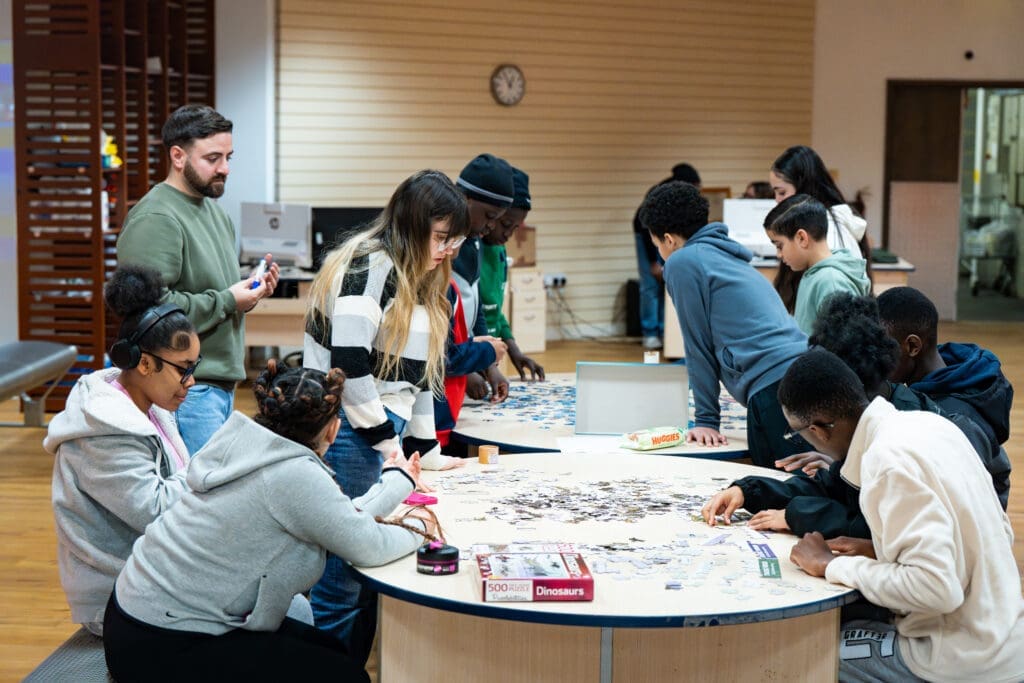
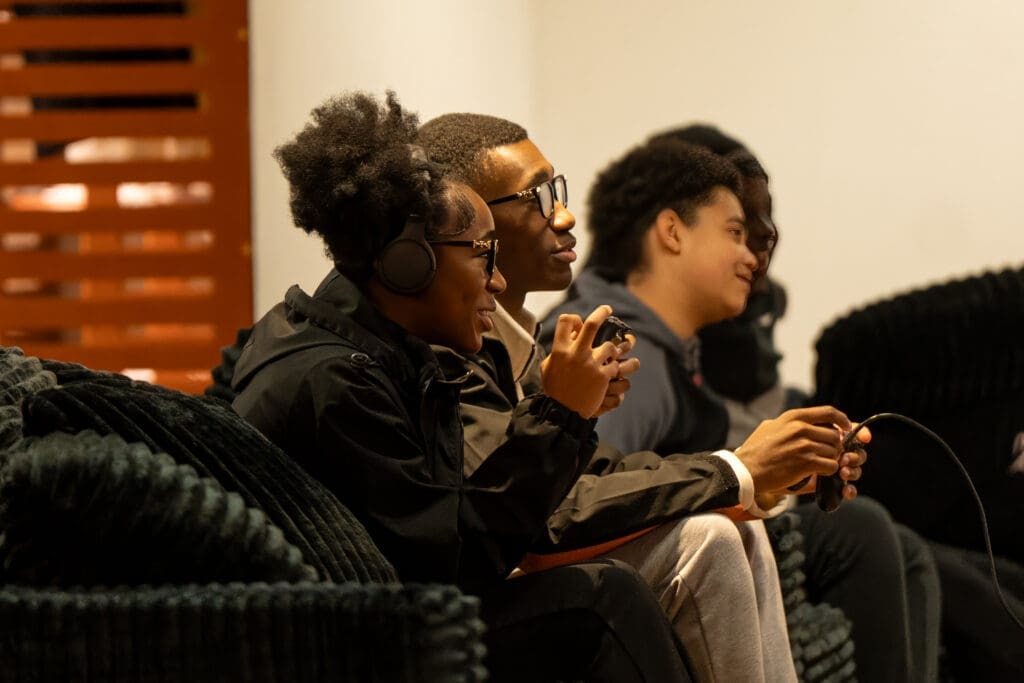
Young people may come into the hub anxious at first, not knowing what to expect, but then they leave wanting to come back. Some of them get to experience things they may not have done before, such as going to the seaside, the funfair or taking part in activities their families may not be able to afford.
It is also the sense of safety they feel, and the jokes, laughs, games and conversations. Those moments remind us why we enjoy this work and why we need to keep going.
What is something people rarely see or understand about the work you do?
There are countless hours of relationship-building, safeguarding and coordination that happen long before any visible programme activity.
People do not always see the youth worker who stays late to accompany a young person to a meeting, advocates with a school or packs food parcels and essential items for families.
They also do not always see the emotional labour of holding other people’s trauma. This work is a vocation, and the people who do it give far more than their contracted hours or level of pay.
If you could change one thing about the system you work within, what would it be?
We need to move away from a reactive, crisis-driven model and towards one that genuinely values and funds prevention.
Too often, people enter the criminal justice system because effective intervention did not happen earlier. There are many people, young and old, who reach crisis point because we have not intervened properly around mental health, education, family support or community safety.
For me, prevention has to be the priority.
What does success look like for your organisation over the next two to three years?
Sustainability is key. Success means longer-term planning, more sustainable funding and being better equipped to deliver our mission and advocate for systemic change.
It also means growing our programmes, including Educate, mentoring, roadshows and youth hub work, while making sure we can keep pace with the changes young people are experiencing.
We want to deepen our impact in Croydon, expand into other London boroughs and strengthen our infrastructure, communications and financial resilience.
Ultimately, success looks like fewer young people being harmed by violence, more young people believing in their own future, and communities feeling safer in the process.
Ready to strengthen your organisation’s sustainability and long-term impact in 2026?
Applications are now open for cohort 2 of the UPLIFT programme!
Delivered by ARE and funded by City Bridge Foundation’s Anchor Programme, UPLIFT provides fully funded support to help community-led organisations build capacity, sustainability and influence.
Find out more HERE