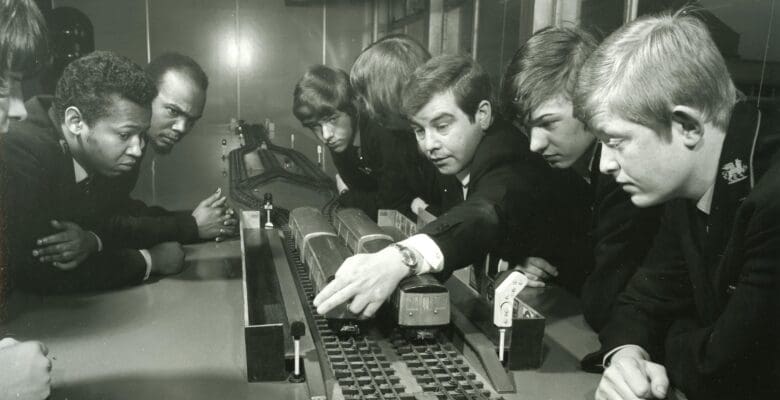
London Transport from the late 20th Century and into the 21st Century mirrors the changing cultural and ethnic face of our country.
🕒 Estimated read time: 3 minutes
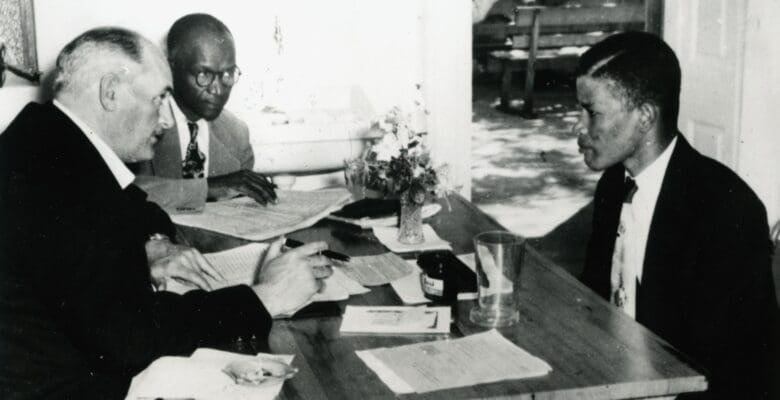
Those recruited from overseas by London Transport in the 1950s and 1960s (see: London Transport: From Post-war Labour Shortage to a Multicultural Workforce) had now established their own communities, and London Transport’s workforce was being increasingly drawn from London’s own diverse population.
In 2003, The Guardian reported that approximately 32 per cent of London Underground’s 12,719 employees came from ethnic minority backgrounds.
As London Transport became London Regional Transport (LRT) in 1984, London’s transport system saw major developments including the expansion of the Docklands Light Railway and the Jubilee line extension.
The creation of Transport for London (TfL) in July 2000 represented another major turning point with a single organisation now overseeing much of London’s transport system (London Underground subsequently became part of TfL in 2003).
One of the significant changes was the increasing importance of formal equality and diversity policies. Rather than relying primarily on recruitment to fill labour shortages, TfL began monitoring the composition of its workforce, identifying under-representation and developing programmes to improve recruitment and promotion.
In 2003, BAME employees represented 31.8 per cent of the workforce; by 2006/07 the figure had risen to 33.6 per cent. In the first quarter of 2007/08 it reached 33.8 per cent, including 39 per cent of operational employees. However, only 11.8 per cent of senior management staff were BAME, demonstrating that representation at senior levels remained a significant challenge.
TfL consequently introduced measures intended to improve progression as well as recruitment. Its Race Equality Scheme, mentoring programmes and initiatives such as Project Breakthrough or the Stuart Ross Communications Internship were designed to attract, retain and develop employees from under-represented backgrounds.
Concerns were raised particularly about the representation of Asian employees in senior management, illustrating an important shift in the debate: diversity was no longer simply about getting people into the organisation, but also about who progressed within it.
TfL’s 2025 ethnicity pay-gap report recorded 4,900 BAME operational employees, representing 37.2 per cent of the operational workforce. Of these, 2,457 were Black or Black British and 1,488 were Asian or Asian British. These figures demonstrate how deeply African, Caribbean and Asian communities have become embedded in the everyday operation of London’s transport system encompassing operational, engineering, technical, and wider corporate roles such as PR.
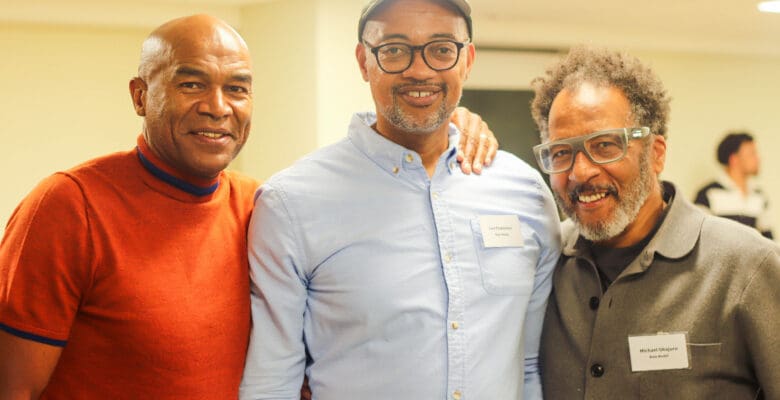
Figures such as Matt Brown, TfL’s Director of Communications & Corporate Affairs, who was recognised as an Industry Legend in 2025 by the PROs Awards and Yasmin Cartwright (Public Affairs), pictured below, and Justina Browne (Creator) at this year’s awards.

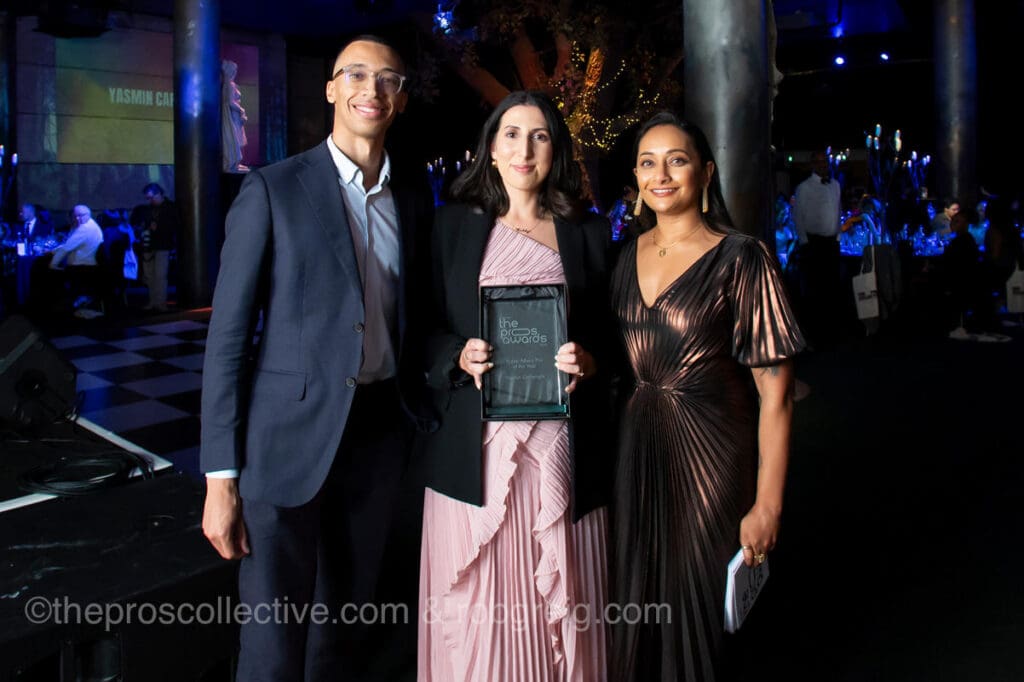
TfL has increasingly recognised that its overseas recruitment is not simply a matter of statistics but of institutional history.
In 2023, a specially decorated “Windrush Bus” brought together Windrush elders, including former transport workers, with current TfL colleagues, explicitly connecting two generations of the workforce.
This year TfL is marking 70 years since the launch of London Transport’s Caribbean recruitment campaign.
The original labour shortage that took London Transport to Barbados in 1956 as a solution to London’s labour shortages helped create a permanent multicultural workforce.
This community originally recruited from the Caribbean, Africa and Asia, the generations who followed and the staff who themselves were the children of the overseas recruits are now an integral part of the institution itself.
ACKNOWLEDGEMENT: ARE would like to thank Andrew Day and the Communications Team at TfL and the London Transport Museum, Rob Greig and The Pros Collective for their support providing information and material in this article.
For more information about our work or to get in touch, please contact hello@actionforraceequality.org.uk.